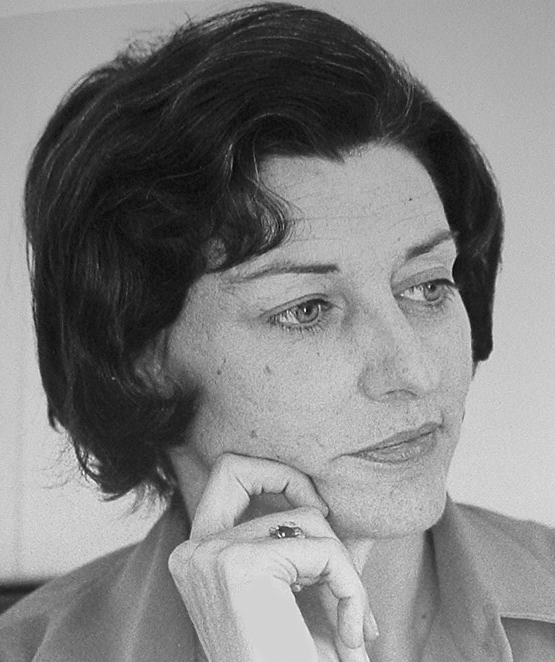
Comparto mi lectura sobre un recorte de la poesía de Anne Sexton, para rastrear cómo opera su escritura respecto de lo indecible del acto del suicidio, un enigma que siempre nos deja sin explicación. Este trabajo fue presentado en el seminario de Jorge Chamorro 2025.
Anne Sexton: un coqueteo con la muerte
Anne Sexton | La adicta
[traducción: Griselda García]
Traficante de sueño,
traficante
de muerte,
con
cápsulas en mis palmas cada noche,
ocho a la
vez, de dulces frascos farmacéuticos.
Hago
arreglos para un pequeño viaje.
Soy la
reina de esta condición.
Soy una
experta en hacer el viaje
y ahora
dicen que soy adicta.
Ahora me
preguntan por qué.
¿POR QUÉ?
¡No saben
que prometí morir!
Estoy
practicando.
Simplemente
estoy manteniéndome en forma.
Las
pastillas son una madre, pero mejor,
de colores
y ricas como caramelos ácidos.
Estoy a
dieta de la muerte.
Sí, admito
que se ha
vuelto una costumbre—
meterme
ocho a la vez, golpeada en el ojo,
arrastrada
por las rosas, naranjas,
verdes y
blancas buenasnoches.
Me estoy
volviendo una especie de mezcla
química.
¡Eso es!
Mi
provisión
de píldoras
debe durar
años y años.
Me gustan
más de lo que me gusto yo.
Es una especie de matrimonio.
Es una
especie de guerra en la que planto bombas dentro
de mí
misma.
Sí,
trato
de matarme
en pequeñas dosis,
una
ocupación inocua.
En
realidad, estoy obsesionada con eso.
Pero
recuerda que no hago demasiado ruido.
Y,
francamente, nadie tiene que arrastrarme,
ni me quedo
ahí parada con mi mortaja.
Soy un
pequeño ranúnculo en mi camisón amarillo,
comiendo
mis ocho hogazas en fila
y en cierto
orden, como en
la
imposición de manos
o el
sacramento negro.
Es una
ceremonia,
pero, como
cualquier otro deporte,
está lleno
de reglas.
Es como un
partido de tenis musical
en el que
mi boca sigue agarrando la pelota.
Después me
acuesto, mi altar
elevado por
los ocho besos químicos.
Qué entrega
es esta
con dos
rosas, dos naranjas,
dos verdes,
dos blancas buenasnoches.
Fee-fi-fo-fum.
Ahora soy
prestada.
Ahora estoy
adormecida.
The Addict
Sleepmonger,
deathmonger,
with capsules in my palms each night,
eight at a time from sweet pharmaceutical bottles
I make arrangements for a pint-sized journey.
I'm
the queen of this condition.
I'm an expert on making the trip
and now they say I'm an addict.
Now they ask why.
WHY!
Don't they know that I promised to die!
I'm keeping in practice.
I'm merely staying in shape.
The pills are a mother, but better,
every color and as good as sour balls.
I'm on a diet from death.
Yes, I admit
it has gotten to be a bit of a habit-
blows eight at a time, socked in the eye,
hauled away by the pink, the orange,
the green and the white goodnights.
I'm becoming something of a chemical
mixture.
that's it!
My supply
of tablets
has got to last for years and years.
I like them more than I like me.
It's a kind of marriage.
It's a kind of war where I plant bombs inside
of myself.
Yes
I try
to kill myself in small amounts,
an innocuous occupation.
Actually I'm hung up on it.
But remember I don't make too much noise.
And frankly no one has to lug me out
and I don't stand there in my winding sheet.
I'm a little buttercup in my yellow nightie
eating my eight loaves in a row
and in a certain order as in
the laying on of hands
or the black sacrament.
It's a ceremony
but like any other sport
it's full of rules.
It's like a musical tennis match where
my mouth keeps catching the ball.
Then I lie on; my altar
elevated by the eight chemical kisses.
What a lay me down this is
with two pink, two orange,
two green, two white goodnights.
Fee-fi-fo-fum-
Now I'm borrowed.
Now I'm numb.
Anne Sexton (Massachusetts, 1928 - 1974). Traducción: Griselda García.
N.B.: Esta traducción se revisa con periodicidad.
Anne Sexton | La música vuelve a mí
[traducción: Griselda García]
Espere, señor. ¿Cuál es el camino a casa?
Apagaron la luz
y la oscuridad se mueve en la esquina.
No hay letreros en esta habitación,
cuatro mujeres, de más de ochenta,
cada una con pañales.
La la la, oh, la música vuelve a mí,
y puedo sentir la canción que pasaban
la noche que me dejaron
en este instituto privado sobre una colina.
Imagínelo. La radio sonaba
y todos aquí estaban locos.
Me gustó y bailé en círculo.
La música inunda la razón
y, de un modo raro,
la música ve más que yo.
Quiero decir que recuerda mejor,
recuerda la primera noche aquí.
Era asfixiante el frío de noviembre,
hasta las estrellas estaban pegadas en el cielo
y esa luna demasiado brillante
atravesaba los barrotes para pegarme
con un canto en la cabeza.
He olvidado todo el resto.
Me atan a esta silla a las 8 de la mañana
y no hay señales que indiquen el camino,
sólo la radio que suena sola
y la canción que recuerda
más que yo. Oh, la la la,
esta música vuelve a mí.
La noche en que llegué, bailé en círculo
y no tuve miedo.
¿Señor…?
Music swims back to me
Wait Mister. Which way is home?
They turned the light out
and the dark is moving in the corner.
There are no signs post in this room,
four ladies, over eighty,
in diapers every one of them.
La la la, oh music swims back to me
and I can feel the tune they played
the night they left me
in this private institution on a hill.
Imagine it. A radio playing
and everyone here was crazy
I like it and danced in a circle.
Music pours over the sense
and in a funny way
music sees more than I.
I mean it remembers better;
remembers the first night here.
It was the strangled cold of November;
even the stars were strapped in the sky
and that moon too bright
forking through the bars to stick me
with a singing in the head.
I have forgotten all the rest.
They lock me in this chair at eight a.m.
and there are no signs to tell the way,
just the radio beating to itself
and the song that remembers
more than I. Oh, la la la,
this music swims back to me.
the night I came I danced a circle
and was not afraid.
Mister?
Anne Sexton (1928-1974). Traducción: Griselda García.
N.B.: Esta traducción está en constante revisión.
Anne Sexton | El beso
[traducción: Griselda García]
Mi boca florece como un corte.
Estuve equivocada todo el año, tediosas
noches, nada en ellas sino codos ásperos
y delicadas cajas de Kleenex llamando bebé llorón
¡bebé llorón, tonto!
Antes de hoy mi cuerpo era inútil.
Ahora se desgarra en sus esquinas cuadradas.
Desgarra los vestidos de la vieja Mary, nudo a nudo
y mirá: ahora es bombardeado por rayos eléctricos.
¡Zing! ¡Una resurrección!
Una vez fue una barca, bastante rígida
y sin objetivo, sin agua salada debajo
y necesitada de pintura. No era más
que un conjunto de tablas. Pero la elevaste, la arreglaste.
Ella ha sido elegida.
Mis nervios están encendidos. Los oigo como
instrumentos musicales. Donde había silencio
los tambores, las cuerdas, están tocando sin cura. Vos hiciste esto.
Puro genio de trabajo. Querido, el compositor ha entrado
al fuego.
The Kiss
My mouth blooms like a cut.
I´ve been wronged all year, tedious
nights, nothing but rough elbows in them
and delicate boxes of Kleenex calling crybaby
crybaby, you fool!
Before today my body was useless.
Now it´s tearing at its square corners.
It´s tearing old Mary´s garments off, knot by knot
and see -- Now it´s shot full of these electric bolts.
Zing! A resurrection!
Once it was a boat, quite wooden
and with no business, no salt water under it
and in need of some paint. It was no more
than a group of boards. But you hoisted her, rigged her.
She´s been elected.
My nerves are turned on. I hear them like
musical intruments. Where there was silence
the drums, the strings are incurably playing. You did this.
Pure genius at work. Darling, the composer has stepped
into fire.
Anne Sexton (1928-1974). Traducción: Griselda García.
N.B.: Esta traducción está en constante revisión.
Anne Sexton | La balada de la masturbadora solitaria
She's my workshop. Slippery eye,
out of the tribe of myself my breath
finds you gone. I horrify
those who stand by. I am fed.
At night, alone, I marry the bed.
She's not too far. She's my encounter.
I beat her like a bell. I recline
in the bower where you used to mount her.
You borrowed me on the flowered spread.
At night, alone, I marry the bed.
that every single couple puts together
with a joint overturning, beneath, above,
the abundant two on sponge and feather,
kneeling and pushing, head to head.
At night, alone, I marry the bed.
an annoying miracle. Could I
put the dream market on display?
I am spread out. I crucify.
My little plum is what you said.
At night, alone, I marry the bed.
The lady of water, rising on the beach,
a piano at her fingertips, shame
on her lips and a flute's speech.
And I was the knock-kneed broom instead.
At night, alone, I marry the bed.
a bargain dress off the rack
and I broke the way a stone breaks.
I give back your books and fishing tack.
Today's paper says that you are wed.
At night, alone, I marry the bed.
They unbutton blouses. They unzip flies.
They take off shoes. They turn off the light.
The glimmering creatures are full of lies.
They are eating each other. They are overfed.
At night, alone, I marry the bed.
Anne Sexton | Comprando a la puta
[traducción: Griselda García]
Sos un bote que alquilé por hora
Sos un vaso que pagué para romper
Sos la parrilla en la que entibio mis manos temblorosas
Bajo tu corpiño apestás como mi mamá
Anne Sexton (1928-1974). Traducción: Griselda García.
N.B.: Esta traducción está en constante revisión.
Anne Sexton | La muerte de Sylvia
[traducción: Griselda García]
A Sylvia Plath
Oh, Sylvia, Sylvia,
con un cajón muerto de piedras y cucharas,
con dos chicos, dos meteoros
que deambulaban tranquilos en una diminuta sala de juegos,
con tu boca hacia la sábana,
hacia las vigas del techo, hacia la muda plegaria,
(Sylvia, Sylvia
¿a dónde fuiste
después de escribirme
desde Devonshire
acerca de cultivar papas
y criar abejas?)
¿A qué te detuviste,
cómo te metiste adentro?
Ladrona,
¿cómo te arrastraste adentro,
te arrastraste sola
dentro de la muerte que quise tanto y por tanto tiempo,
la muerte que dijimos haber superado,
la que llevábamos en nuestros pechos flacos,
de la que hablábamos tanto cada vez que
nos bajábamos tres martinis extra secos en Boston,
la muerte que hablaba de analistas y curas,
la muerte que hablaba como novias cómplices,
la muerte que nos bebimos,
los motivos y los silenciosos hechos?
(En Boston
los moribundos
viajan en taxi,
sí, la muerte de nuevo,
ese viaje a casa
con nuestro muchacho.)
Oh, Sylvia, recuerdo al baterista dormido
que nos machacaba los ojos con una vieja historia,
cómo queríamos hacerlo venir
como un sádico o un duende de Nueva York,
para que hiciera su trabajo,
una necesidad, una ventana en una pared o una cuna,
y desde esa vez él esperó
bajo nuestro corazón, nuestro armario,
y ahora veo que lo almacenamos
año tras año, viejas suicidas
y por las noticias supe de tu muerte
un gusto horrible, como a sal,
(Y yo,
yo también.
Y ahora, Sylvia,
tú otra vez
con la muerte otra vez,
ese viaje a casa
con nuestro muchacho.)
Y yo sólo digo
con los brazos extendidos hacia ese lugar de piedra,
¿qué es tu muerte
sino una vieja pertenencia,
un lunar caído
de uno de tus poemas?
(¡Oh, amiga,
mientras la luna es maligna,
y el rey se fue,
y a la reina se le acaba el ingenio,
el borracho debería cantar!)
¡Oh, diminuta madre,
tú también!
¡Oh, extraña duquesa!
¡Oh, rubiecita!
17 de febrero de 1963
Sylvia´s Death
for Sylvia Plath
O Sylvia, Sylvia,
with a dead box of stones and spoons,
with two children, two meteors
wandering loose in a tiny playroom,
with your mouth into the sheet,
into the roofbeam, into the dumb prayer,
(Sylvia, Sylvia
where did you go
after you wrote me
from Devonshire
about raising potatoes
and keeping bees?)
what did you stand by,
just how did you lie down into?
Thief —
how did you crawl into,
crawl down alone
into the death I wanted so badly and for so long,
the death we said we both outgrew,
the one we wore on our skinny breasts,
the one we talked of so often each time
we downed three extra dry martinis in Boston,
the death that talked of analysts and cures,
the death that talked like brides with plots,
the death we drank to,
the motives and the quiet deed?
(In Boston
the dying
ride in cabs,
yes death again,
that ride home
with our boy.)
O Sylvia, I remember the sleepy drummer
who beat on our eyes with an old story,
how we wanted to let him come
like a sadist or a New York fairy
to do his job,
a necessity, a window in a wall or a crib,
and since that time he waited
under our heart, our cupboard,
and I see now that we store him up
year after year, old suicides
and I know at the news of your death
a terrible taste for it, like salt,
(And me,
me too.
And now, Sylvia,
you again
with death again,
that ride home
with our boy.)
And I say only
with my arms stretched out into that stone place,
what is your death
but an old belonging,
a mole that fell out
of one of your poems?
(O friend,
while the moon's bad,
and the king's gone,
and the queen's at her wit's end
the bar fly ought to sing!)
O tiny mother,
you too!
O funny duchess!
O blonde thing!
February 17, 1963
Anne Sexton (1928-1974). Traducción: Griselda García.
N.B.: Esta traducción se revisa con periodicidad.
Anne Sexton | El aborto
[traducción: Griselda García]
Así como la tierra arrugó su boca,
Somebody who should have been born
is gone.
Just as the earth puckered its mouth,
each bud puffing out from its knot,
I changed my shoes, and then drove south.
Up past the Blue Mountains, where
Pennsylvania humps on endlessly,
wearing, like a crayoned cat, its green hair,
its roads sunken in like a gray washboard;
where, in truth, the ground cracks evilly,
a dark socket from which the coal has poured,
Somebody who should have been born
is gone.
the grass as bristly and stout as chives,
and me wondering when the ground would break,
and me wondering how anything fragile survives;
up in Pennsylvania, I met a little man,
not Rumpelstiltskin, at all, at all...
he took the fullness that love began.
Returning north, even the sky grew thin
like a high window looking nowhere.
The road was as flat as a sheet of tin.
Somebody who should have been born
is gone.
Yes, woman, such logic will lead
to loss without death. Or say what you meant,
you coward... this baby that I bleed.
N.B.: Esta traducción se revisa periódicamente. Vuelva a menudo y vea cómo avanza (o retrocede).
Anne Sexton | Después de Auschwitz
[traducción: Griselda García]
me alcanza.
Cada día
cada nazi salteaba en su sartén
un bebé para el desayuno.
Y la muerte mira con indiferencia
y se saca la suciedad bajo las uñas.
digo en voz alta.
El hombre es una flor
que debería ser quemada,
digo en voz alta.
digo en voz alta.
y se rasca el ano.
El hombre con sus pequeños dedos de los pies rosados
no es un templo
sino una letrina,
digo en voz alta.
Que el hombre nunca más levante su taza de té.
Que el hombre nunca más escriba un libro.
Que el hombre nunca más se ponga un zapato.
Que el hombre nunca más levante los ojos
en una suave noche de julio.
Nunca. Nunca. Nunca. Nunca. Nunca.
Digo estas cosas en voz alta.
Anne Sexton (1928-1974). The Awful Rowing Toward God. 1975. Traducción: Griselda García.
N.B.: Esta traducción se revisa con periodicidad.
Anne Sexton | Deseo de morir
[traducción: Griselda García]
Camino vestida, sin marcas de ese viaje.
Luego el deseo casi innombrable regresa.
Aun así no tengo nada contra la vida.
Conozco bien las hojas de hierba que mencionas,
los muebles que pusiste al sol.
Pero los suicidas tienen un idioma especial.
Como los carpinteros, quieren saber con qué herramientas,
nunca preguntan por qué construir.
Dos veces me afirmé con sencillez,
poseí al enemigo, comí al enemigo,
incorporé su destreza, su magia.
Así, seria y pensativa,
más tibia que el agua o el aceite,
descansé, babeando por el agujero de la boca.
No pensé en mi cuerpo ante la aguja.
Tampoco había córnea ni orina sobrante.
Los suicidas ya traicionaron el cuerpo.
Nacidos sin vida, no siempre mueren,
pero, deslumbrados, no olvidan una droga tan dulce
que hasta los chicos mirarían con una sonrisa.
¡Empujar toda esa vida bajo la lengua!
eso, en sí mismo, se vuelve una pasión.
La muerte es un hueso triste y golpeado, dirías,
y, sin embargo, ella me espera, año tras año,
para deshacer con delicadeza una vieja herida,
para liberar mi aliento de su maligna prisión.
Equilibrados así, los suicidas a veces se encuentran,
rabiosos ante el fruto, una luna hinchada,
dejan el pan que confundieron con un beso,
dejan la página del libro abierta con descuido,
algo sin decir, el teléfono descolgado,
y el amor, lo que sea que haya sido, una infección.
Anne Sexton (Massachusetts, 1928 - 1974), traducción de Griselda García.
N.B.: Esta traducción se revisa periódicamente.